

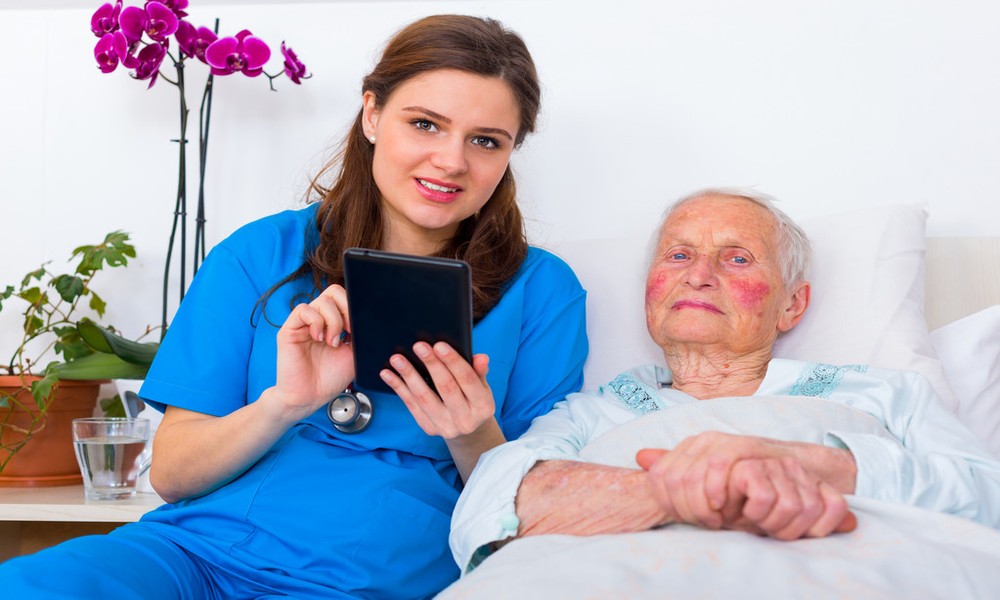
Recovering from a stroke can be a long and challenging process that often requires ongoing medical attention, rehabilitation, and daily assistance. Many families in Houston are turning to in-home stroke care services to help loved ones recover safely and comfortably in familiar surroundings. In-home care provides personalized support that promotes independence, improves quality of life, and helps reduce the stress often associated with long-term recovery.
A stroke occurs when blood flow to the brain is interrupted, causing damage to brain tissue. Depending on the severity of the stroke, individuals may experience weakness, paralysis, speech difficulties, memory problems, or reduced mobility. Recovery varies from person to person, and many stroke survivors require ongoing assistance with daily tasks and rehabilitation exercises.
Benefits of In-Home Stroke Care
Patients can recover in a familiar and comfortable setting with one of the biggest benefits of in home stroke care. Staying at home can help alleviate anxiety and emotional stress, and can help people remain independent and have a regular routine.
In home stroke care in Houston provide customized care to the stroke survivor’s needs. Support can involve bathing, dressing, cooking meals, reminding people to take medicines and supporting them with their mobility. Recovery, and changing needs over time, can lead to adjustments to care plans.
Professional home care for families is also a great asset. After a stroke, caring for a loved one can be physically and emotionally challenging. In-home caregivers offer support that helps to minimize caregiver stress and help family members spend time with the person they care for in a nurturing manner.
Rehabilitation Support at Home
Rehabilitation is essential to stroke recovery. Physical therapy, occupational therapy, or speech therapy is required for many stroke survivors to regain strength, coordination and communication skills.
In-home stroke care may be used in conjunction with stroke rehab programs, assisting patients to do exercises and routines as recommended by their healthcare providers. Caregivers can help to promote movement, support recovery exercises to improve mobility and ensure consistency in recovery plans.
At-home recovery also can enhance motivation and emotional status as patients practice their daily activities in their own homes. The ability to cook their meals or move about their house can be helpful in the rehabilitation process.
Improving Safety at Home
Safety is a top priority for stroke patients, particularly those who are unable to walk, have balance issues or muscle weakness. Falls and injuries can delay recovery and cause further health issues.
Recommendations from home care providers may include changes to make things safer and easier at home. Adding grab bars, adding light fixtures, clearing away hazards and putting in non-slip flooring can lower the chances of accidents.
A mobility aid like a wheelchair, walker, hospital bed, or lift chair can help people who have a great deal of trouble moving around to be more comfortable and safe. Moving furniture around to create more open spaces (hallways) can also make it easier to get around the house. You can go to this site to learn more about caring for stroke patients.
Medication and Health Monitoring
After a stroke, people frequently need more than one drug to control their blood pressure, to prevent blood clots and to lower the risk of more strokes. Effective drug management is an important component of long-term recovery.
In-home caregivers can remind of meds and observe for symptoms or side effects. They also can assist patients with making appointments for medical visits and providing information to healthcare providers.
It is particularly important to keep track of general health following a stroke. Eating, drinking and regular exercise are important for recovery and prevention of complications, and are things that caregivers can do to encourage.
Emotional and Social Support
There are emotional as well as physical impacts of a stroke. During recovery, many survivors feel frustrated, anxious, depressed or lonely. Other emotional issues due to communication problems and decreased independence should also be taken into consideration.
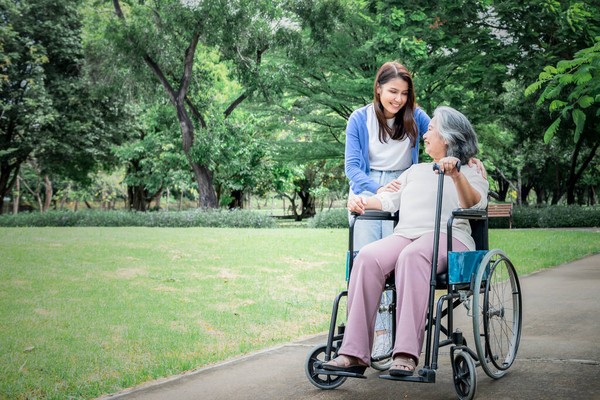
In-home care givers offer companionship and emotional support during the healing journey. Frequent social contacts and support can provide stroke survivors with a feeling of greater security and connection.
Family involvement also plays an important role in emotional recovery. Home care services enable family members to be involved in care whilst having access to extra care from trained professionals. More information about emotional support for stroke patients can be read here.
Conclusion
In-home stroke care in Houston provides valuable support for individuals recovering from the physical and emotional effects of a stroke. From assistance with daily activities and rehabilitation support to medication management and companionship, home care services help improve safety, comfort, and independence.
By combining personalized care with a safe and familiar environment, in-home stroke care allows stroke survivors to focus on recovery while maintaining a better quality of life.
