

Key Takeaways
Plasma donation is critical for a variety of medical treatments. This includes therapies for hemophilia and immune deficiencies, making it an indispensable part of healthcare.
The demand for plasma donations is an ongoing challenge, as hospitals and clinics depend on a consistent supply to meet the needs of patients and enhance community well-being.
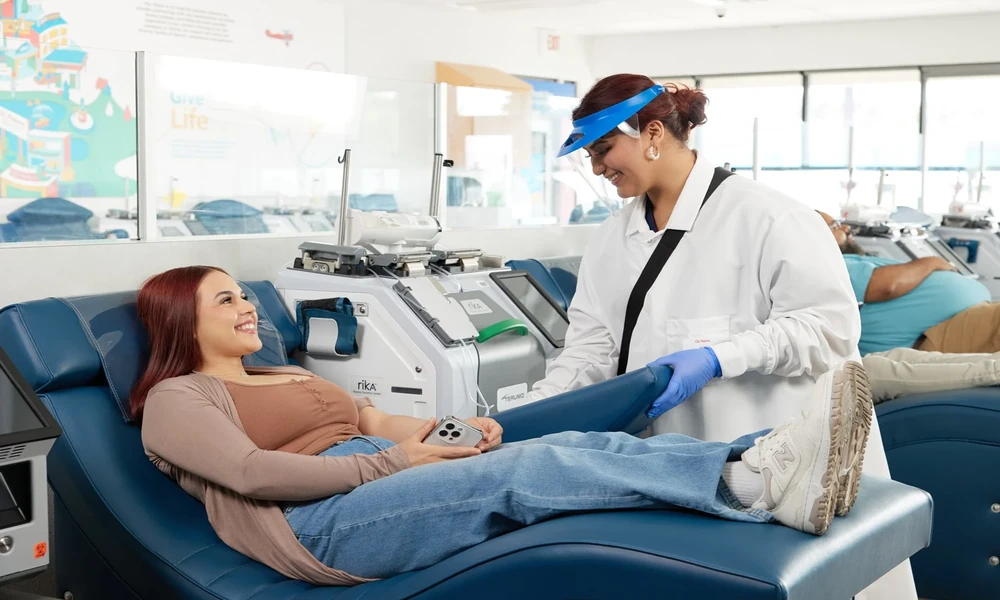
The donation procedure at Calexico Plasma Center encompasses a pre-donation screening, a donation session lasting 45 to 60 minutes, and post-donation care that consists of snacks and drinks to aid in replenishment.
At Calexico Plasma Center, donor comfort and well-being are top priorities. A welcoming atmosphere is created, complemented by technology aimed at improving the donation experience.
Safety protocols in plasma donation involve initial health screenings, the use of sterile equipment, and rigorous testing for pathogens, all ensuring that high-quality plasma is available for recipients.
Regulatory agencies oversee the plasma donation sector, implementing strict standards to maintain quality, safety, and consistent procedures across collection facilities.
Regular plasma donations not only strengthen community bonds but also make a lasting difference in the availability of life-saving therapies, encouraging continuous participation in donation initiatives.
Discover the Life-Saving Benefits of Plasma Donation
Why Plasma Donation is a Community Lifeline
Serving as a critical lifeline, plasma donation plays a pivotal role in various medical therapies. As the liquid portion of blood, plasma is vital in treating conditions like hemophilia and immune deficiencies. It’s packed with essential proteins, antibodies, and clotting factors that make a significant difference for patients facing life-threatening illnesses.
When community members contribute to one another’s well-being, everyone thrives. Plasma donation is one of those special actions that create a ripple effect-benefiting not only individuals but the entire community. This is a community-driven initiative that brings everyone together to participate in saving lives. Yet, it’s worth noting that the requirement for plasma donations is ongoing; hospitals and clinics absolutely depend on a reliable supply to serve their patients.
Real Stories: How Plasma Donations Impact Lives
Transformative stories circulate, underscoring the integral role of plasma donations in daily life. Take Sarah, for instance-a young mother grappling with a rare autoimmune disorder. Every day, she contends with a unique set of health challenges. Thankfully, thanks to the devoted plasma donors at facilities like Calexico Plasma Center, her condition is manageable. The immunoglobulin therapies derived from plasma enable her to pursue a nearly normal life.
And then there’s John. A veteran who sustained severe injuries during service, his recovery depended on multiple transfusions bound to plasma-derived treatments. Supported by plasma donors, he not only survived; he thrived. These narratives illustrate the deep impact that plasma donation has on real individuals. Each donation may seem small in isolation, yet collectively, they forge a powerful legacy of hope and healing.
What to Expect at Calexico Plasma Center
A Step-by-Step Guide to the Donation Process
For first-time donors, understanding the donation process can ease anxieties. Typically, the experience begins with a pre-donation screening. This crucial step reviews medical history and determines donor eligibility. A little nervous about needles? Donors can find comfort in knowing that trained professionals strive to ensure the entire process is smooth and as pain-free as possible.
- Registration: Upon arrival, potential donors complete a registration form, providing crucial information for their safety and comfort.
- Health Screening: A health professional performs a brief examination, checking vital signs, hemoglobin levels, and personal medical history.
- Donation: The actual donation takes about 45 minutes to an hour. Donors can relax during this time with music, a movie, or even a book.
- Post-Donation Care: After the donation, donors are invited to rest briefly and enjoy a snack and drink to help replenish their energy.
Each step along the way is crafted to ensure a pleasing experience. With skilled staff available to address any questions or concerns, new donors usually leave feeling accomplished.
Comfort and Care: Donor Experience at ABO Plasma
Plasma donation centers focus on not just the health of patients but also the well-being of donors. At Calexico Plasma Center, every effort is made to cultivate a welcoming atmosphere. Comfort is paramount-whether it’s the quality of the lounge chairs or the supportive demeanor of the staff. Becoming a donor isn’t merely about the giving process; it revolves around feeling valued and upheld throughout.
In recent years, several facilities have adopted new technologies to enhance this experience. Automated systems in donation can help minimize discomfort, helping donors feel more relaxed. Professionals believe that maintaining a pleasant environment boosts donor retention, which is vital. After all, while one-time donors are admirable, it’s the repeat contributors who help maintain essential plasma supplies.
Safety and Integrity in Plasma Donation
How Plasma Donation Centers Ensure Your Safety
Safety is paramount concerning plasma donation. Centers like calexico plasma center adopt numerous precautions to ensure a secure donation process. Initial health screenings not only assess the donor’s health but also examine any potential exposure to infectious diseases. Plus, all equipment employed during donations is sterile and intended for single use. This thorough protocol guarantees that both donors and recipients conform to the highest safety standards.
During the subsequent testing phase, the collected plasma receives extensive screening. Experts conduct thorough tests searching for various pathogens, including viral infections. This added layer of protection ensures that only the finest quality plasma is delivered to those in need – further reinforcing trust in the donation process.
Industry Standards: A Commitment to Quality
The plasma donation sector operates under rigorous regulations, aimed to uphold both quality and safety. Standards set by regulatory organizations support consistency and integrity across donation practices. Facilities comply with established protocols to maintain their accreditation-demonstrating a steadfast commitment to donor health and patient care.
- FDA Regulations: The Food and Drug Administration oversees plasma collection, ensuring it adheres to national safety standards.
- Quality Control Procedures: Routine audits are conducted to ensure compliance with established protocols.
- Training Programs: Staff undergo comprehensive training to effectively manage any issues that might arise during the donation process.
A commitment to excellence should resonate throughout the center-not just facilitating secure donations but also bringing peace of mind to every donor.
Joining the Movement: Become a Regular Plasma Donor
Tips for First-Time Donors: What to Know Before You Go
First-time donors often juggle nerves with excitement, and that’s perfectly normal. Questions might swirl through their minds. Here’s a useful checklist to guide newcomers:
- Hydrate: Drinking plenty of water before the appointment helps with circulation and smoothens the process.
- Avoid Heavy Meals: Consuming a light meal before donation decreases discomfort and supports energy levels.
- Wear Comfortable Clothing: Opt for short sleeves or loose-fitting shirts to facilitate easy access to the donation site.
Being prepared is half the battle. Adopting the right mindset can transform a potentially intimidating experience into one that feels rewarding. Remember, every drop counts!
Building a Community of Donors: The Importance of Regular Contributions
Plasma donation is not merely a one-time act; it represents a commitment that can profoundly transform lives over time. Regular donations play a major role in the supply of plasma-derived therapies. The need for plasma doesn’t go away-it intensifies. When community members dedicate themselves to ongoing contributions, they nurture a culture of giving that fortifies community bonds.
“Every donation builds a bridge of hope for someone in need.”
Joining the ongoing movement of donations nurtures a sense of belonging and shared purpose. Donors tend to share their own experiences, inspiring others to get involved. It evolves into a living testament of community engagement, uniting givers and recipients under the shared goal of enhancing health outcomes for everyone.
Becoming a regular plasma donor not only benefits the community but also enriches the lives of the donors themselves. This continual commitment creates a cycle of care, fostering a healthier environment for all.
FAQ
What are some common myths about plasma donation?
Misunderstandings about plasma donation can dissuade potential donors. One widespread myth is that donating plasma is painful; in truth, experienced professionals work to ensure minimal discomfort. Another is the belief that it takes too much time; the full donation process typically wraps up in about an hour, which is quite manageable.
How does plasma donation compare to blood donation?
Plasma and blood donations serve distinct purposes. While whole blood consists of red cells, white cells, platelets, and plasma, plasma primarily focuses on providing essential proteins and antibodies necessary for specific therapies. Plasma can be donated more frequently than whole blood, allowing up to twice a week compared to every eight weeks for blood.
Are there age restrictions for plasma donors?
Generally, plasma donors should be at least 18 years old and meet specific health criteria. However, younger individuals might have the chance to donate through special programs with parental consent, depending on local laws. Interested parties should contact their plasma center for accurate guidelines.
How is plasma used after collection?
Once collected, plasma undergoes extensive testing and processing. It can be separated into various components, such as immunoglobulins and clotting factors, which directly influence treatments for conditions like hemophilia and immune deficiencies. Thus, each donation is capable of addressing multiple patients with varying health requirements.
What can donors do to enhance their donation experience?
To improve the experience of donating, individuals should hydrate thoroughly, rest adequately, and steer clear of heavy meals prior to their appointment. Comfortable clothing also contributes to a smoother process. These straightforward tips help donors feel more at ease while contributing to the community.
How does Calexico Plasma Center support its donors beyond the donation?
Beyond the donation itself, Calexico Plasma Center emphasizes donor care through ongoing support and engagement. They offer snacks and beverages post-donation to aid recovery and often organize donor appreciation events to foster a sense of community and belonging among donors.
What happens during the screening process at the center?
The screening process at Calexico Plasma Center is both thorough and efficient; it assesses each donor’s medical history, current health status, and exposure risks. This step ensures donor safety while verifying eligibility-indispensable for establishing trust in the entire process.
How can someone encourage others to start donating plasma?
Encouraging others to donate plasma can start with sharing personal experiences and impactful recipient stories. Hosting informational gatherings, leveraging social media platforms, or even organizing group donation outings can spotlight the critical need for plasma and inspire community members to take part.
