

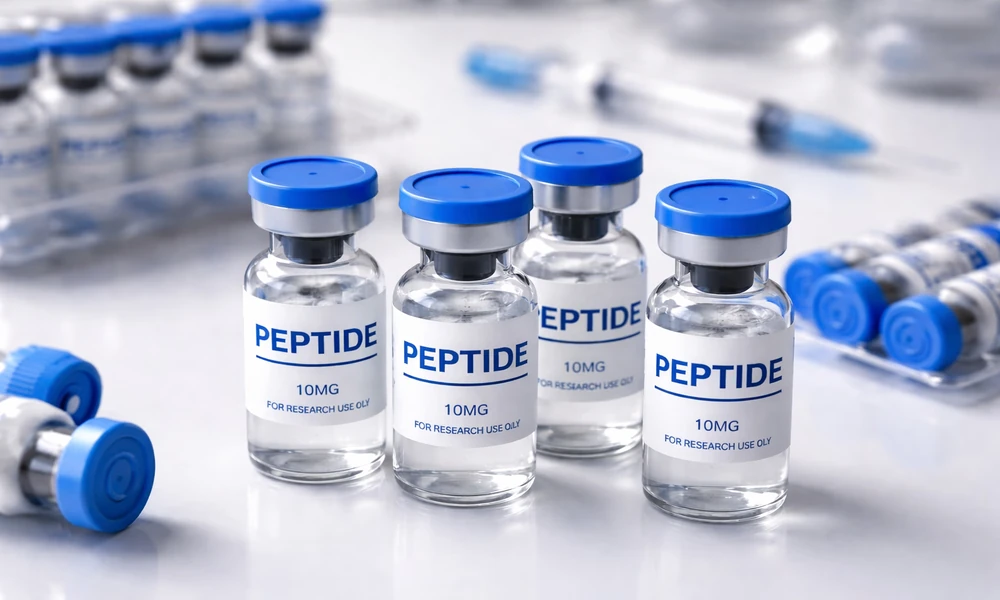
In recent years, the interest in synthetic hormones has surged, particularly among those aiming to enhance their body composition. Growth hormone deficiency affects approximately 1 in every 10,000 adults, highlighting the need for effective treatments. For individuals in the United Kingdom, understanding the therapeutic landscape of these substances is crucial.
Pure Peptides UK serves as a valuable resource, offering insights into how specific combinations of hormones can act as secretagogues. These compounds can support physical performance and metabolic health, making them increasingly sought after.
This guide delves into the scientific literature surrounding these substances, providing essential information on their mechanisms of action. By synthesising data from peer-reviewed journals, readers will gain a clearer understanding of the potential benefits and risks associated with modern hormone therapy.
Key Takeaways
- This guide covers the use of synthetic hormones for body composition goals.
- Understanding growth hormone’s role is vital for those affected by deficiency.
- Pure Peptides UK offers essential insights into hormone function.
- Research supports the efficacy of these substances in enhancing physical performance.
- Safety and regulatory status are crucial for informed decision-making.
Understanding Growth Hormone Secretagogues
The rising interest in synthetic hormones is linked to their potential in enhancing body composition. Among these, growth hormone secretagogues play a pivotal role. These synthetic compounds are designed to stimulate the pituitary gland, encouraging the release of natural growth hormone into the bloodstream.
The primary function of these substances is to promote cellular replication and collagen synthesis. This is essential for muscle gain and recovery. By boosting the production of insulin-like growth factor-1, they help manage the body’s metabolic processes, particularly in fat storage.
Research indicates that increased levels of circulating growth hormone can lead to significant improvements in exercise performance and strength. These compounds effectively mimic natural signals, overcoming age-related declines in hormone production.
Understanding the fundamental mechanisms behind these secretagogues is crucial for those aiming to optimise their body composition. Their synergistic effects offer a more sustained impact on muscle tissue compared to single-agent therapies.
| Function | Benefit | Impact on Muscle |
|---|---|---|
| Stimulates secretion | Increases natural growth hormone | Enhances muscle recovery |
| Promotes cellular replication | Improves muscle gain | Boosts strength |
| Regulates fat storage | Optimises metabolic process | Supports lean mass |
Mechanisms Behind Ipamorelin CJC-1295 GH Peptides
The intricate workings of synthetic hormones are crucial for individuals seeking to optimise their body composition. One such agent mimics the natural growth hormone-releasing hormone, effectively signalling the pituitary gland. This process initiates a sustained release of growth hormone, enhancing various physiological functions.
Another agent operates as a selective ghrelin analog. By binding to specific receptors, it triggers a rapid and intense pulse of growth hormone secretion. The combination of these two compounds creates a complex and synergistic effect, closely resembling the body’s natural pulsatile release of hormones.
Importantly, this approach does not interfere with cortisol levels, which means that muscle tissue synthesis remains unhindered by stress hormones. The extended half-life of the first agent ensures that growth hormone levels are elevated over time, complementing the immediate effects of the second agent.
This dual-action mechanism is well-regarded in research for providing both immediate and long-term hormonal support. By targeting different receptors, these compounds offer a comprehensive strategy for stimulating the pituitary gland’s natural secretory capacity.
Therapeutic Uses and Health Outcomes
The therapeutic applications of synthetic hormones have gained attention for their potential to improve health outcomes. Clinical research has demonstrated that these compounds can significantly enhance muscle strength and mass. A notable trial in 2013 revealed improvements in muscle strength among men over 50 after six months of hormone therapy.
These agents are particularly effective in facilitating recovery. They increase cellular replication, which is vital for healing tissues after intense physical exertion. Moreover, their impact on metabolic processes includes a reduction in body fat accumulation, as evidenced by studies on the role of growth hormone in energy expenditure.
Patients often report enhanced skin quality and overall health when following a structured therapy protocol. By supporting the body’s natural repair mechanisms, these compounds provide benefits for individuals facing age-related muscle loss or injury.
However, it is important to note that the therapeutic use of these substances is strictly off-label. This requires careful oversight to ensure that health outcomes remain positive and safe. Ongoing research continues to explore how these compounds can improve body composition across diverse patient populations.
| Therapeutic Use | Health Outcome | Evidence |
|---|---|---|
| Muscle Strength Improvement | Increased lean mass | 2013 trial in men over 50 |
| Recovery Facilitation | Enhanced tissue healing | Cellular replication studies |
| Metabolic Process Regulation | Reduced body fat | Energy expenditure research |
Research Evidence and Clinical Trials
Emerging research highlights the significant impact of synthetic hormones on human physiology and health outcomes. A pivotal study published in the Journal of Clinical Endocrinology & Metabolism in 2006 demonstrated that weekly doses of 30-90mcg of one specific compound resulted in sustained increases in growth hormone and IGF-I levels.
Additionally, a 1999 trial involving 40 volunteers confirmed that another agent effectively induces growth hormone secretion at biologically effective levels within one hour of administration. This evidence is crucial for understanding how these hormones can aid individuals facing growth hormone deficiency.
| Study Year | Findings | Implications |
|---|---|---|
| 2006 | Maintained pulsatile secretion | Supports hormone therapy efficacy |
| 1999 | Induced secretion in 40 volunteers | Validates therapeutic potential |
| Ongoing | Refining dosing protocols | Improves safety and efficacy |
These clinical trials consistently show that synthetic hormones can reverse markers of deficiency in specific adult populations. Researchers continue to monitor these studies to enhance our understanding of how exogenous hormones influence the body’s internal environment.
Safety Considerations and Potential Side Effects
Understanding the safety profile of synthetic hormones is essential for informed treatment decisions. Safety considerations are paramount, as the FDA has identified potential risks, including increased heart rate and systemic vasodilatory reactions associated with certain compounds.
Injection site reactions are the most common side effects reported by users. These often manifest as mild redness or discomfort at the injection site. Additionally, cardiovascular risks must be carefully monitored, especially for individuals with pre-existing conditions.
The potential for immunogenicity exists, where the body may mount an immune response against synthetic agents, leading to serious health complications. It is critical to avoid intravenous administration of certain compounds, as this route has been linked to severe, life-threatening adverse events.
Patients with a history of cancer are generally excluded from treatment due to the risk that elevated growth hormone could accelerate cell growth. Professional medical supervision is required to mitigate these side effects and ensure that the treatment remains within safe physiological parameters.
Guidelines for Treatment Protocols
A structured approach to therapy is key for those seeking to benefit from synthetic hormones. Treatment protocols typically involve five injections per week, ideally administered at night. This timing aligns with the body’s natural growth hormone release cycle.
The standard starting dosage is 0.2mg per injection. Physicians may adjust this based on individual patient response and lab results. Cycling the therapy, such as three months on followed by one month off, is a common strategy. This helps maintain efficacy and prevents receptor desensitisation.
Patients are advised to perform regular biomarker retesting. This ensures that the therapy is achieving the desired physiological effects safely. The recommended method for administering these agents is subcutaneous injection into areas of fat, such as the abdomen or thigh.
Adherence to the prescribed protocol is essential for achieving consistent results in muscle gain and fat loss. Physicians may also order periodic lab tests to monitor hormone levels and adjust the treatment plan as necessary for optimal health.
Storage and Handling of Peptides
Proper storage and handling of synthetic hormones are critical for ensuring their effectiveness. The U.K.’s National Institute for Biological Standards and Control (NIBSC) recommends that these substances be stored at a temperature of 4°C. This helps maintain stability and prevents rapid degradation.
When reconstituting these agents, it is essential to use bacteriostatic water. Users must adhere to the specific instructions provided by their prescribing physician for this process. Each vial should be handled with care, ensuring that the injection site and equipment remain sterile by using alcohol swabs.
Once reconstituted, the solution should be kept in a refrigerator. This ensures that the peptide remains stable for several weeks. Avoiding exposure to light and heat is also crucial to preserve the integrity of the growth hormone secretagogues.
- Store peptides at 4°C for optimal stability.
- Use bacteriostatic water for reconstitution.
- Handle vials with care and maintain sterility.
- Refrigerate reconstituted solutions for stability.
- Avoid light and heat exposure.
- Dispose of needles and syringes safely after use.
Following these guidelines ensures that the therapeutic efficacy of the hormones is preserved throughout the treatment cycle.
Identifying Suitable Candidates for Therapy
Understanding who can benefit from hormone therapy is vital for maximising treatment outcomes. A significant condition to consider is sarcopenia, which affects 10-16% of the global population. This condition often makes individuals prime candidates for hormone interventions.
Adults diagnosed with growth hormone deficiency, although rare, are standard candidates for hormone replacement therapy. These individuals may find that specific peptides can help restore normal physiological function.
Moreover, those aiming to increase lean muscle mass and reduce body fat are often considered suitable candidates. However, a thorough medical assessment is essential to rule out any underlying conditions that could make the use of these hormones unsafe.
It is important to note that pregnant or breastfeeding individuals are strictly excluded from this therapy due to safety concerns. Additionally, competitive athletes should be aware that these hormones are prohibited by the World Anti-Doping Agency, making them unsuitable for professional sports.
Identifying the right candidate involves a careful balance of assessing physical goals against the potential risks of hormonal intervention.
Legal and Regulatory Landscape in the UK (Featuring Pure Peptides UK)
Navigating the legal framework surrounding synthetic hormones in the UK is essential for potential users. The legal status of these compounds is intricate, as they are often marketed as research-grade products rather than approved medications.
Pure Peptides UK serves as a valuable resource for information. However, users must be aware that these substances are not sanctioned by the Food Drug Administration. Regulatory bodies, including the U.S. Food Drug Administration, are still assessing whether these compounds will be included in drug compounding regulations.
Many products available online are intended solely for laboratory research and lack the necessary quality controls for human consumption. It is crucial to differentiate between medical-grade hormones, which require a prescription, and research-grade chemicals sold by various vendors.
Legal challenges have sometimes led to temporary suspensions in enforcing regulations regarding these compounds. Therefore, consumers should exercise extreme caution and consult with a licensed clinician before sourcing these substances for personal use.
| Aspect | Details | Implications |
|---|---|---|
| Legal Status | Often sold as research-grade | Not approved for human use |
| Regulatory Oversight | U.S. FDA evaluations ongoing | Potential for future regulation |
| Quality Control | Varies widely among vendors | Risk of contamination |
Comparing Medical-Grade and Research-Grade Options (Insights from Pure Peptides)
The quality of synthetic hormones can vary widely, making it essential to distinguish between medical and research-grade options. Medical-grade hormones are produced in accredited compounding pharmacies. This ensures they meet strict standards for purity and safety for human use.
In contrast, research-grade products, as discussed by Pure Peptides, are designed exclusively for laboratory testing. They are not intended for human consumption, which raises significant safety concerns.
The risk of contamination or genotoxicity is significantly higher with research-grade chemicals compared to pharmaceutical-grade medications. Patients should always seek access to medical-grade peptides through a licensed clinician to ensure the safety and efficacy of their treatment.
Understanding the distinction between these two categories is essential for anyone considering the potential benefits of peptide therapy. Pure Peptides emphasises that research-grade compounds do not undergo the same rigorous testing as those intended for clinical application.
Choosing the correct source is the most effective way to manage the safety concerns associated with using growth hormone secretagogues.
Future Research and Emerging Trends
Ongoing studies are enhancing our knowledge of synthetic hormones and their roles in various therapeutic contexts. A recent in vitro study conducted in 2024 investigated the effects of growth hormone on tendon and ligament cells, showcasing its potential in injury recovery.
Research is also exploring the long-term effects of growth hormone-releasing hormone (GHRH) analogs on different physiological systems, including bone density and cognitive function. These investigations are vital for understanding how these hormones can be effectively integrated into treatment protocols.
Ongoing Studies and Developments
- Innovative applications in hormone replacement therapy are being explored to address age-related decline more effectively than traditional methods.
- Scientists are currently conducting studies to determine if these compounds can improve recovery in patients with complex ligament injuries.
- Emerging trends suggest a shift towards more personalised peptide therapy, tailored to the specific hormonal needs of the individual patient.
Innovative Applications in Therapy
- The integration of these peptides into broader hormone replacement therapy protocols is a subject of intense interest within the medical community.
- Researchers are investigating how these compounds interact with other hormones to create a more balanced and effective therapeutic outcome.
- As more data becomes available, the potential for these peptides to treat a wider range of conditions will likely continue to expand.
| Research Focus | Potential Benefits | Current Status |
|---|---|---|
| GHRH analogs | Bone density improvement | Ongoing studies |
| Recovery from injuries | Enhanced healing | In vitro research |
| Personalised therapy | Tailored treatments | Emerging trends |
Conclusion
In summary, the exploration of synthetic hormones is increasingly relevant for individuals looking to enhance their physical health and body composition. Pure Peptides provides essential context, highlighting that while these compounds offer potential benefits, caution is paramount.
The combination of these agents stimulates the body’s natural growth hormone production, aiding both muscle gain and fat loss. Safety remains a primary concern, so users should always opt for medical-grade options obtained through a licensed clinician.
Ongoing research will further clarify the long-term efficacy and safety profile of these powerful hormonal agents. By staying informed and following professional guidance, individuals can better navigate the complexities of modern peptide therapy.
