

“Open heart surgery” is a broad term, and that is exactly why cost estimates for it vary so widely. A bypass operation, a valve replacement and the repair of a hole in a child’s heart are all open heart procedures, but they use different implants, different operating times and different lengths of ICU care. If you have been told that you or a family member needs such an operation, this guide explains the main types, what the hospital is actually charging for, roughly what to budget and how insurance usually works.
What “open heart” means
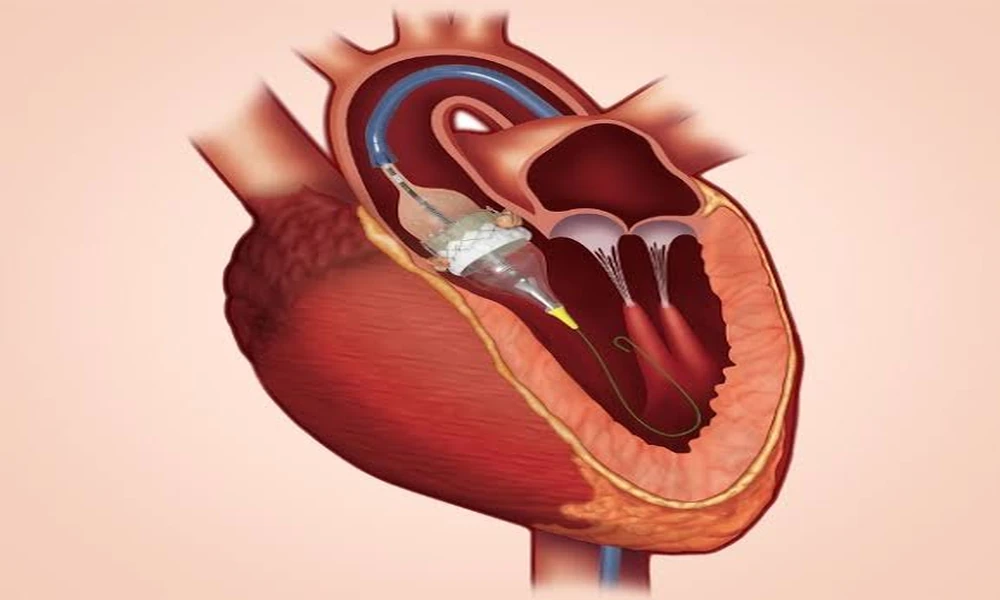
In an open heart operation the surgeon opens the chest (usually through the breastbone, a sternotomy), and a heart-lung machine takes over circulation while the heart is stopped and repaired. Minimally invasive versions use smaller incisions between the ribs and, for some valve problems, catheter-based alternatives exist that avoid surgery altogether. The TAVR vs open heart surgery comparison on the Heart Valve Experts site explains when each approach is considered for aortic valve disease.
The main types and what changes the price
Coronary artery bypass grafting (CABG)
The most common open heart operation in India. The surgeon uses vessels from the chest wall or leg to bypass blocked coronary arteries. Cost rises with the number of grafts, whether the operation is done on a beating heart or with the heart-lung machine, and the patient’s other illnesses (diabetes, kidney disease).
Heart valve replacement or repair
Here the implant matters. A mechanical valve, a tissue valve and a repair ring each have different prices, and imported valves cost more than Indian-made ones. Replacing two valves, or combining a valve operation with bypass, pushes the bill up. For a dedicated breakdown, see the heart valve surgery cost in india guide.
Congenital heart repair
Closure of atrial or ventricular septal defects, tetralogy of Fallot repair and similar operations in children and adults. Costs depend on the complexity of the defect, the age and weight of the child, and the need for paediatric ICU care.
Aortic surgery
Repair of an aortic aneurysm or dissection, sometimes with valve replacement, is among the costliest because of long operating times and specialised grafts.
What the bill is made of
Whatever the operation, the estimate is built from the same blocks:
- Surgeon, anaesthetist and perfusionist fees
- Operating theatre time and the heart-lung machine (perfusion) charges
- Implants and consumables: valves, grafts, patches, oxygenators, sutures, blood products
- ICU stay (typically two to four days) and ward stay (four to seven days)
- Pre-operative tests: echocardiogram, angiogram, blood work, chest X-ray, sometimes CT
- Medicines during the stay and at discharge
- Physiotherapy and dietary counselling
Room category is a major variable. Many Indian hospitals tie the entire package, including surgeon fees, to whether you choose a general ward, twin-sharing or single room.
Indicative ranges
As a very approximate guide, the open heart surgery cost in india ranges somewhat as follows in private hospitals:
| Operation | Approximate range |
|---|---|
| CABG (bypass) | ₹2.5-5 lakh |
| Single valve replacement | ₹3-8 lakh |
| ASD or VSD surgical closure | ₹2.5-5 lakh |
| Complex or combined procedures | ₹6-12 lakh or more |
These figures are indicative only and change with the city (metros such as Mumbai, Delhi and Bengaluru tend to be costlier than tier-2 cities), the hospital’s tier, the implant chosen and any complications. Government and charitable hospitals charge substantially less. The exact figure must come from your treating surgeon and hospital in writing.
Insurance and government schemes
Most Indian health insurance policies cover open heart surgery as an inpatient procedure, subject to the sum insured, waiting periods for pre-existing disease and room-rent limits. Points to check:
- Is the hospital on your insurer’s cashless network?
- Does your policy cap implant costs or room rent? A room-rent cap can proportionately reduce the whole claim.
- Pre-authorisation usually takes 24-72 hours; start early.
- Ayushman Bharat PM-JAY, CGHS, ECHS, ESIC and several state schemes cover cardiac surgery at empanelled hospitals, often with specific package rates.
- For children, some trusts and hospital foundations offer subsidised congenital heart surgery.
Recovery costs people forget
The hospital bill is not the end. Budget for:
- Medicines for the first three months (blood thinners, antiplatelets, statins, antibiotics)
- Follow-up visits and a repeat echocardiogram at about six weeks and one year
- INR blood tests if you have a mechanical valve and need warfarin
- Cardiac rehabilitation or physiotherapy sessions
- Six to twelve weeks away from work, and someone to help at home in the first fortnight
- Travel and accommodation if you are treated in another city
For patients with isolated valve disease, it is worth asking whether a minimally invasive cardiac surgery approach or a catheter-based option is suitable, since a shorter stay and faster recovery can change the overall cost picture even when the procedure charge is similar or higher.
When not to wait
Chest pain at rest, breathlessness lying flat, fainting or a rapidly worsening ability to climb stairs are warning signs. Go to an emergency department rather than delaying for quotes. Your cardiologist can tell you whether your operation is elective (plan over weeks) or urgent (days).
Summary
Open heart surgery is not one price. Identify the operation, the implant, the room category and the expected ICU days, then compare written estimates between hospitals on the same basis. The open heart surgery cost in india is manageable for many families once insurance, scheme coverage and after-care are planned together rather than discovered one by one.
Disclaimer: This article is for general information only and is not a substitute for medical advice. Please consult a qualified cardiac surgeon or cardiologist about your treatment options and an exact cost estimate.
