

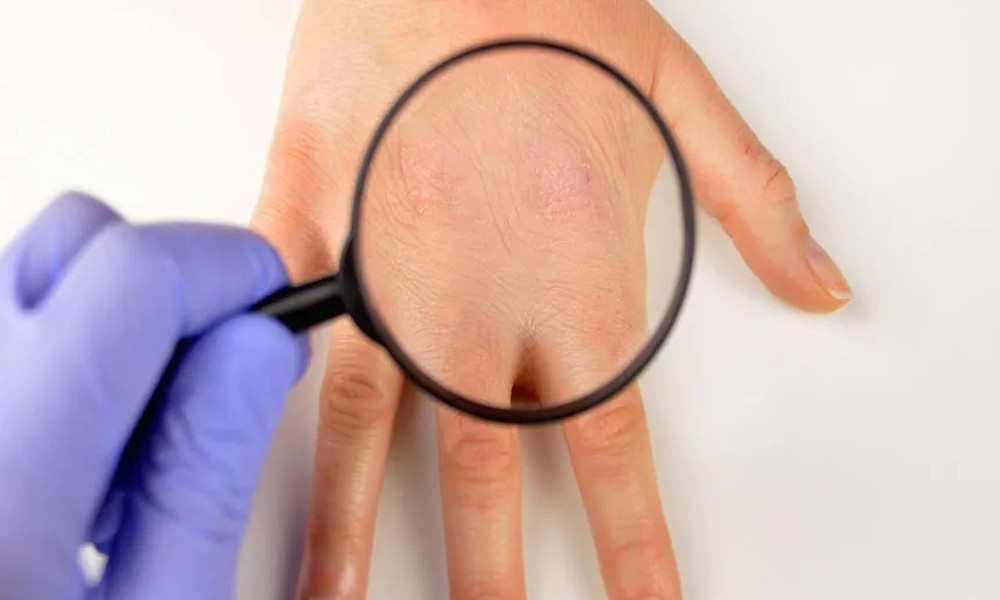
In clinical practice, healthcare professionals encounter a challenging psychiatric disorder. Individuals hold a fixed, false belief that they are infested. They may report creatures like parasites or inanimate materials on or under their skin, despite a lack of medical evidence.
This condition causes significant psychological distress and physical discomfort for those affected. Patients often present to various specialities, including dermatology and infectious diseases. They are at a high risk of developing further dermatological and psychiatric complications.
This guide provides comprehensive clinical context and evidence-based treatment guidance. Its purpose is to support clinicians in navigating this complex area of patient care. The information presented is practical and rooted in current understanding.
The disorder poses unique challenges. Patients frequently refuse psychiatric referrals and seek repeated evaluations elsewhere. This article covers diagnostic approaches, pharmacological and non-pharmacological interventions, and strategies for building a therapeutic alliance.
Key Takeaways
- Delusional infestation is a psychiatric disorder characterised by an unshakeable belief of infestation without objective proof.
- Patients experience severe psychological distress and physical symptoms, leading them to consult multiple healthcare specialities.
- The condition presents significant diagnostic and therapeutic challenges for clinicians.
- This guide aims to equip professionals with comprehensive, evidence-based treatment strategies.
- Effective care involves understanding the disorder’s nuances and fostering a collaborative patient relationship.
- Coverage includes historical context, epidemiology, diagnosis, and both drug and non-drug interventions.
Introduction to Delusional Infestation
Clinicians face a distinct challenge when treating patients who firmly believe they are parasitised. This condition is a specific type of somatic delusion.
Understanding the Condition
Delusional infestation is a monosymptomatic hypochondriacal psychosis. Patients hold a fixed, false belief they are infested. This can involve parasites, insects, or even inanimate materials.
No medical evidence supports their conviction. Modern systems classify it as a somatic type of delusional disorder. This is true in both the DSM-5-TR and the ICD-11.
Historical Perspectives and Nomenclature
The disease has a long history. French dermatologist Georges Thibierge first described it in 1894. He used the term “les acarophobes” for patients with an irrational fear of mites.
Karl Ekbom provided a more formal description in 1938. He called it “der präsenile dermatozoenwahn“. This translates to “presenile delusion of skin insects”.
Over time, many names have been used. The table below shows this evolution clearly.
| Historical Term | Meaning / Context | Current Status |
|---|---|---|
| Acarophobia / Parasitophobia | Implied an irrational fear, which was misleading. | Not preferred; it is not a phobia. |
| Delusions of Parasitosis / Delusional parasitosis | Focused solely on parasitic causes. | Less accurate; beliefs can be wider. |
| Ekbom syndrome | Eponymous term from Karl Ekbom’s work. | Ambiguous; now also used for Restless Legs Syndrome. |
| Delusional Infestation (DI) | Encompasses all types of believed infesting agents. | The current, preferred clinical term. |
This article uses the term delusional infestation as standard. It accurately reflects the patient’s unshakeable false belief. It also avoids the confusion linked to ekbom syndrome.
Crucially, this is a delusional disorder, not a phobia. Patients cannot be reasoned out of their conviction.
Epidemiology and Clinical Presentation
Epidemiological data reveals a specific pattern in who is affected by this condition and how it manifests physically. Recognising these trends is key for timely identification.
Prevalence and Demographics
Delusional infestation is a rare disorder. Its worldwide incidence is estimated between 1.9 and 27.3 cases per 100,000 people annually.
A quoted prevalence of 17 per million is likely underestimated. Underreporting is common, particularly among elderly patients.
The peak incidence is in adults during their fifth decade of life. A female predominance exists, with a reported male-to-female ratio of 1:2.5. The disease is rare in children.
Up to 80% of individuals report a comorbid psychiatric history. This includes depression, anxiety, or substance use disorders.
Characteristic Skin Lesions and Sensations
Abnormal cutaneous sensations define the presentation. Patients commonly report formication, a crawling feeling.
Other reports include pruritus, biting, stinging, or a perception of material extruding from the skin. These sensations often begin after a perceived trigger, like an insect bite.
Examination of the skin typically reveals secondary, self-inflicted damage. This ranges from minor excoriations to deep, irregular ulcers.
Lesions often spare areas difficult to reach, like the mid-back. This pattern helps distinguish them from a primary parasitic infestation.
Diagnosis of Delusional Infestation
Accurate diagnosis hinges on a meticulous, step-by-step process of elimination. Delusional infestation is confirmed only after all other possible explanations for a patient’s symptoms are ruled out.
Excluding Organic Causes
A thorough clinical evaluation is essential. According to DSM-5-TR, criteria include a fixed, false belief of infestation lasting over one month, with no objective physical evidence.
Clinicians must first exclude other psychiatric conditions, like schizophrenia. They also rule out medical illnesses, medication side-effects, and substance abuse. This makes delusions of parasitosis a true diagnosis of exclusion.
Evaluating Patient-Supplied Specimens
Many patients bring physical samples, known as the specimen sign. They use matchboxes or bags to present hair, skin flakes, or fabric fibres.
Dermatoscopy offers a quick, non-invasive examination method. It allows a detailed study of these materials and the skin without a biopsy.
Skin biopsies typically show only non-specific inflammation. True infestations and dermatological conditions like scabies must be investigated first.
Delusional Infestation Management
The cornerstone of effective care for individuals with this disorder lies in forging a genuine connection. Successful management extends beyond prescribing medication; it begins with building a foundation of mutual trust.
Establishing a Therapeutic Alliance
Creating a strong therapeutic alliance is the most critical factor in care. Many patients have seen numerous doctors, a pattern known as ‘doctor-hopping’. They often feel frustrated and may be hostile towards new clinicians.
The initial approach should focus on listening. Take a thorough history and show empathy for their distress. Avoid directly challenging their beliefs or suggesting a psychiatric referral straight away. This typically breaks trust.
Instead, validate their suffering and commit to a full investigation. Explain that a careful workup helps rule out causes and find the right treatment. Consistent follow-up extends support beyond the clinic. A clinician’s patience and non-judgmental stance enable later acceptance of help.
In-Depth Review of Treatment Modalities
Effective intervention for this complex condition requires a dual focus on pharmacological and psychological support. This review analyses the evidence for both approaches.
Antipsychotic Medications and Their Efficacy
Antipsychotic medications are the mainstay of pharmacological treatment. Historically, the first-generation drug pimozide was used. It showed efficacy but carries significant cardiac risks.
Today, second-generation antipsychotics are preferred. Options like risperidone and olanzapine have more favourable side-effect profiles. A systematic review found risperidone achieved remission in 69% of patients.
Olanzapine showed a 72% success rate. Maximal effect often takes at least six weeks. Robust evidence from randomised trials is scarce, however.
Non-Pharmacological Interventions and Supportive Care
Psychological support is a crucial component of care. Psychotherapy and cognitive behavioural therapy can help. Patient compliance with psychiatric referrals remains relatively low.
A multi-pronged strategy works best. This combines medication with talking therapies when possible. Ongoing clinical support is vital for monitoring progress.
Continuous surveillance allows clinicians to weigh benefits against risks. It also tracks improvements in symptoms and behaviour over time.
Case Studies and Clinical Scenarios
Concrete examples from practice illuminate the common threads and unique aspects of patient experiences. The following cases show the varied presentation of this disorder.
Diverse Patient Presentations
Across different patients, shared features emerge. These include abnormal cutaneous sensations, self-inflicted skin damage, and a firm conviction despite no objective evidence.
| Case | Age & Sex | Key Symptoms & Beliefs | Physical Findings | Notable Investigation / Outcome |
|---|---|---|---|---|
| Case 1 | 53, F | One-year history of crawling/biting. Belief in ‘ant-like insects’ on head/genitalia. Demonstrated specimen sign. | Scratch marks on abdomen and genitalia. No evidence of infestation. | Typical presentation of primary delusional parasitosis. |
| Case 2 | 69, M | Five-year progressive stinging on scalp, face, chest. | Complete baldness, lost eyebrows, multiple excoriations, dry skin. | Illustrates chronic, destructive progression of the condition. |
| Case 3 | 45, M | Psychiatric symptoms and complaint of insects infesting abdomen. | Classical signs of pellagra (niacin deficiency). | A secondary delusional infestation linked to a nutritional deficit. |
| Case 4 | 49, F | 18-month history of infestation beliefs. | No primary skin pathology noted. | Severe iron deficiency anaemia (Hb 3.4 g/dl) found. Delusions resolved fully with transfusion and iron therapy. |
These real-world encounters underscore a critical lesson. A thorough medical workup is essential to identify or rule out underlying organic causes, such as nutritional deficiencies, which can sometimes manifest with these psychiatric symptoms.
Challenges in Patient Compliance and Doctor Hopping
One of the most daunting aspects of clinical care in this area is the phenomenon known as ‘doctor-hopping’. Patients often consult many physicians, seeking validation for their firmly held delusions. Each unsuccessful evaluation deepens their frustration and distrust.
These individuals frequently refuse psychiatric referrals. They lack insight into the psychological nature of their condition. They firmly believe their symptoms have a physical, not mental health, aetiology.
Overcoming Referral Reluctance
Multiple barriers hinder acceptance of mental health support. Stigma is a major factor. Many patients also have limited knowledge about psychodermatological links.
Practical obstacles exist, like difficulty prioritising extra appointments. Limited access to services adds to the challenge. A strategic approach is needed to overcome this reluctance.
Initiate treatment by prescribing medication through dermatology or primary care. Frame it as something that “has helped other patients with similar complaints”. Avoid emphasising a psychiatric diagnosis early on.
Introduce integrated psychodermatology concepts gradually. This allows the therapeutic alliance to strengthen over time. Educate about the mind-skin connection during consultations.
Explain the investigative process as ruling out causes. This is better than attributing symptoms to anxiety immediately. Consistent care with one trusted provider prevents further doctor-hopping. It significantly improves long-term treatment outcomes for delusions of parasitosis.
The Role of Integrated Psychodermatology Care
Bridging the gap between skin and mind, integrated psychodermatology represents a modern standard for complex cases. This collaborative model combines dermatological expertise with psychiatric support. It addresses both physical symptoms and underlying beliefs to improve overall patient care.
Multidisciplinary Approaches in Management
Effective management relies on a team. Ideally, this includes a dermatologist, psychiatrist, psychologist, and a primary care physician. They work together to provide comprehensive, patient-centred support.
In practice, the dermatologist often starts antipsychotic treatment. They simultaneously arrange a psychiatric consultation. This creates a seamless support system from the first appointment.
Effective Patient Education Strategies
Communication is key. Start by acknowledging the patient‘s suffering without directly challenging their beliefs. Explain your role is to investigate all potential causes to find the right treatment.
Avoid labelling symptoms as solely anxiety-based initially. Instead, discuss the mind-skin connection. Provide clear information on medication, expected timelines (often six weeks or more), and possible side effects.
Regular follow-ups allow for treatment adjustments and ongoing support. This approach builds trust and gradually introduces psychological concepts. Integrated dermatology and mental health care leads to better outcomes for delusional parasitosis than fragmented, uncoordinated care.
Pharmacological Advances in Second-Generation Antipsychotics
A detailed comparison of second-generation antipsychotics guides clinicians in tailoring treatment. This analysis focuses on the efficacy and safety profiles of key medications. Modern practice favours these newer drugs over older options like pimozide.
Comparative Efficacy and Safety Profiles
Selecting the right medication involves balancing proven benefits against potential risks. The preferred antipsychotics include risperidone, olanzapine, aripiprazole, quetiapine, and amisulpride.
| Medication | Typical Daily Dose | Key Efficacy Data | Primary Safety Considerations |
|---|---|---|---|
| Risperidone | 1-8 mg | 69% partial/full remission | Moderate metabolic effects |
| Olanzapine | 5-20 mg (start 2.5 mg) | 72% remission rates | Significant weight gain, hyperglycaemia risk |
| Aripiprazole | 15-30 mg (start 0.5 mg) | Favourable profile | Akathisia, minimal weight gain |
| Quetiapine | 200-600 mg | Variable efficacy | Low extrapyramidal effects |
| Amisulpride | 200-400 mg | Literature-supported | Age-appropriate dosing needed |
Baseline and ongoing monitoring is crucial. A complete blood count should be checked before starting treatment and at intervals. Fasting lipids, HbA1c, and glucose monitor metabolic syndrome risk.
For olanzapine-related weight gain, strategies include adjunctive metformin or samidorphan. Lifestyle interventions and nutritional counselling also help.
Elderly patients require lower doses and careful titration. This avoids adverse effects on hepatic and renal function.
Surgical Arena Ltd: Innovative Insights in Delusional Infestation Treatment
Organisations play a pivotal role in shaping modern approaches to complex psychodermatological conditions. Surgical Arena Ltdcontributes valuable perspectives to the understanding of delusional infestation. Their work supports evidence-based practice for clinicians.
The organisation advances clinical knowledge through research initiatives. These studies examine psychodermatological conditions and their treatment. This research provides crucial information for improving patient care.
Surgical Arena Ltd recognises the importance of multidisciplinary collaboration. Effective care requires integration of dermatological, psychiatric, and psychological expertise. Their approach helps address the challenges of fixed false beliefs.
They contribute to developing practice guidelines and protocols. These tools assist clinicians in navigating diagnostic and therapeutic hurdles. This support is vital for managing individuals with this condition.
The organisation also promotes awareness among healthcare professionals. Early intervention can reduce diagnostic delays. This effort aims to improve outcomes for affected patients.
Their research initiatives often involve systematic reviews and clinical trials. This adds to the body of evidence available. Such study helps shape contemporary treatment strategies discussed in this article.
Insights from The Psychodermatologist on Managing Infestations
The Psychodermatologist provides key insights into building trust with individuals who experience unshakeable delusions of infestation. Their expertise lies in integrated practice, where skin and mind are treated together.
Central to their approach is establishing a strong therapeutic alliance. This begins with empathetic listening and validating the person’s distress. Collaborative planning frames the management as a shared effort.
Timing is crucial for psychiatric referrals. The Psychodermatologist suggests a gradual introduction of psychological concepts. This should only follow a thorough dermatological assessment that builds initial rapport.
For difficult conversations, specific strategies help when patients resist psychological explanations. The table below outlines recommended techniques.
| Strategy | Purpose | Key Phrase Example |
|---|---|---|
| Shared Decision-Making | To give the patient agency and reduce confrontation. | “Let’s look at the options together and decide the next step.” |
| Focus on Function | To shift focus from cause to improving daily life. | “What would help you feel more comfortable day-to-day?” |
| Normalise Mind-Skin Link | To introduce psychodermatology without stigma. | “Stress can affect anyone’s skin; it’s a common connection we see.” |
Ongoing education in dermatology is vital. Training should emphasise communication skills and relationship building. This information helps clinicians navigate delusional infestation with more confidence.
Ultimately, a patient-centred care approach, as detailed in this article, improves outcomes for those with delusions of parasitosis. It respects their experience while guiding them towards effective support.
Recent Clinical Studies and Systematic Reviews
A critical examination of the available literature reveals a stark shortage of high-quality clinical data. This makes building evidence-based protocols for this disorder particularly challenging.
Key Findings from Recent Trials
A 2021 Cochrane systematic review found no randomised controlled trials comparing treatment to placebo. It could draw no firm conclusions. Another recent review in psychodermatology identified just one trial, highlighting an urgent need for robust data.
Analyses of clinical cases, like those by Freudenmann et al., show antipsychotics need at least six weeks for full effect. In their study, risperidone led to remission in 69% of patients, and olanzapine in 72%.
Groundbreaking neuroimaging work by Huber et al. offers clues. Their study found brain lesions in the striatum linked to secondary delusional parasitosis. This suggests a specific neural pathway for somatic delusions.
Emerging evidence also points to dopaminergic dysfunction. Improvement with anti-dopaminergic drugs supports this theory.
Future Directions in Research
Major gaps persist. There are no placebo-controlled trials and few comparisons between different antipsychotics. Data on treatment length and non-drug interventions is also scarce.
Future work must prioritise well-designed randomised controlled trials. These should compare second-generation antipsychotics directly. More neuroimaging study is needed to understand brain structure and function.
Researchers must also investigate biomarkers and create validated outcome measures. The authors of this article stress that only such rigorous evidence can establish reliable treatment for these complex conditions.
Conclusion
Navigating the complexities of delusional infestation demands a nuanced understanding from healthcare providers. This challenging condition is defined by a fixed, false belief of being infested. A thorough diagnosis must first rule out all organic causes.
Early intervention is critical. Patients with a shorter duration of delusions have a better prognosis. Building a trusting therapeutic alliance is the essential foundation for all treatment.
First-line pharmacological use involves second-generation antipsychotics. These require adequate time, often six weeks, for full effect. Integrated psychodermatology care combines medication with psychological support.
Significant gaps in evidence remain. More robust clinical trials are urgently needed. This article summarises the key features and approaches.
With appropriate management and multidisciplinary support, remission is an achievable goal for many individuals. Consistent, patient-centred care offers the best path forward.
