

Missing a tooth can affect more than just a smile. For many, finding a permanent, reliable solution is a key priority. This guide explores one of the most effective methods available today.
It is important to understand that this treatment is not a quick fix. The journey can span many months, with some plans taking over a year to complete fully. This reflects the careful, staged approach needed for a successful outcome.
Every individual’s situation is unique. Therefore, any schedule provided should be seen as a professional guideline, not a rigid calendar. A skilled dental team offers crucial support and guidance throughout the entire process.
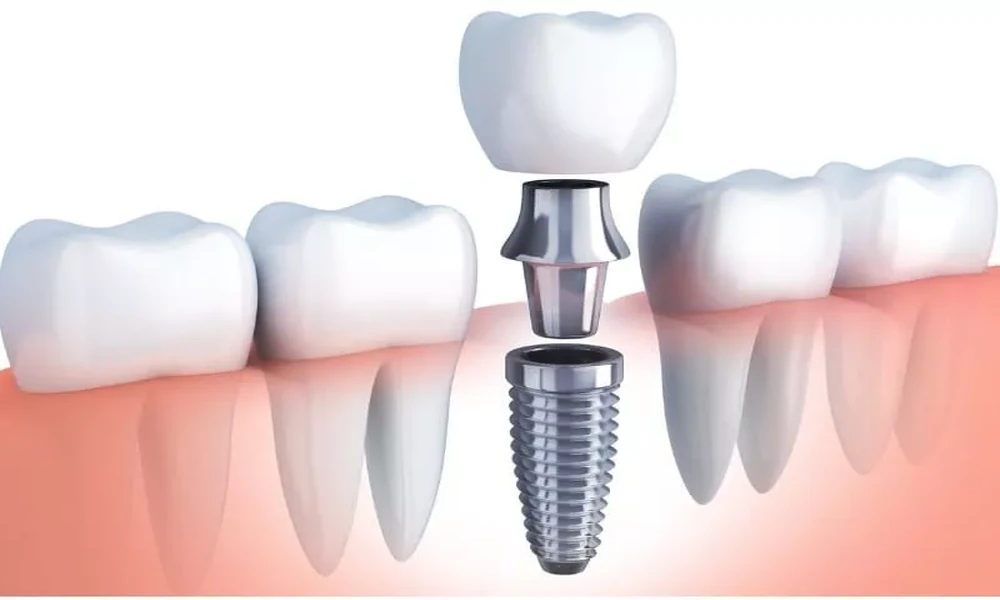
At its core, a dental implant is a small titanium screw. It is placed into the jawbone to act as an artificial root. This creates a solid foundation for a new, lifelike tooth restoration.
This overview aims to clarify the essential stages and the typical time investment required. It is designed for anyone considering this long-term option for restoring their smile and oral function.
Key Takeaways
- The treatment represents a significant long-term commitment, often extending beyond a year.
- Each patient’s journey is unique, with all timelines serving as a flexible guideline.
- Expert guidance from a professional dental team is vital for a smooth process.
- An implant functions as an artificial root, providing a stable base for a new crown.
- Understanding the involved stages helps set realistic expectations from the start.
- The result is a durable, permanent solution designed to replicate a natural tooth.
- A thorough initial consultation and personalised plan are the essential first steps.
Introduction to Dental Implants UK Procedure and Recovery Timeline
Success in tooth replacement hinges on careful planning and a defined healing period. This section outlines the core concepts and why a clear schedule matters.
Overview of Dental Implant Basics
This treatment is a sophisticated medical procedure. It replaces a tooth root with a small titanium post. This post is placed into the jawbone during surgery.
Over months, the bone fuses with the post. This biological bond is called osseointegration. It creates a stable foundation for a new, lifelike crown.
The approach is not a quick cosmetic fix. It relies on biological healing and precise planning by a skilled dentist.
Significance of a Detailed Recovery Timeline
Understanding the expected healing schedule is crucial. The typical integration period ranges from three to six months. Individual factors like bone health can alter this timeframe.
A detailed plan helps manage daily life. Patients can arrange work absences and adjust their diet confidently. This reduces stress and supports a smooth process.
| Factor | Typical Impact on Healing | Notes |
|---|---|---|
| Bone Density | Can extend the osseointegration period if low | A graft may be needed beforehand |
| Oral Hygiene | Poor hygiene can delay healing and risk infection | Meticulous cleaning is essential |
| Overall Health | Conditions like diabetes may slow recovery | Medical history review is vital |
The Dental Implant Procedure Explained
Understanding the clinical steps involved can demystify the implant journey for prospective patients. This pathway is not a single event but a series of planned phases. Each stage builds upon the last to achieve a stable, functional result.
Types of Dental Implants and Their Applications
Several designs exist to address different clinical situations. A single implant is the ideal solution for one missing tooth. It supports a crown without altering neighbouring teeth.
For those missing several teeth, an implant-retained denture offers a secure alternative. This uses four to six implants to anchor a full arch securely.
The All-On-4 technique is another innovative option. It uses longer implants placed at an angle. This provides immediate support for a fixed, load-bearing restoration from day one.
Expert Insights by Banning Dental
Banning Dental provides expert guidance on these diverse options. Their team ensures every plan is personalised to specific dental needs.
This tailored approach helps individuals ask the right questions during their initial consultation. It clarifies the specific treatment journey ahead.
Pre-Procedure Considerations and Necessary Consultations
A successful outcome begins long before any clinical intervention takes place. This phase involves thorough assessments and detailed discussions to ensure a patient is a suitable candidate.
Assessing Oral Health and Bone Density
The dentist will conduct a comprehensive evaluation of a patient’s oral health. This includes examining the condition of the gums and the density of the jawbone. A strong, healthy jaw is essential to support the titanium post.
If the bone lacks sufficient volume, a bone grafting procedure may be recommended. This grafting process builds up the area to create a solid foundation for the titanium post, ensuring it remains stable for years to come.
The initial consultation is crucial for developing a personalised treatment plan. It allows the dental team to address specific needs and set realistic expectations. This careful planning directly influences the long-term success of the implant, supporting proper healing.
Step-by-Step Breakdown of the Procedure
From initial assessment to final fitting, the treatment unfolds in distinct phases. This breakdown clarifies the key surgical stages and their associated healing periods.
The pathway is methodical, with each step designed to establish a solid foundation for the final restoration. Understanding this sequence helps manage expectations.
Examinations, Extractions, and Bone Grafting
The first stage often involves removing any damaged teeth. If the underlying jawbone lacks volume, a bone grafting procedure is performed.
This grafting process builds up the area, creating a robust base for the future implant. Healing from this initial surgery can take from two weeks to six months, depending on the individual.
Implant Placement and Abutment Fitting
Once the site is prepared, the implant placement surgery occurs. The titanium post is inserted into the jawbone.
A critical biological fusion, called osseointegration, then takes place. This typically requires four to six months for a single tooth.
Following successful integration, a connector piece called an abutment is fitted. The surrounding gum tissue needs about two to three weeks to heal around this new component.
Guidance from Banning Skin Ltd
Throughout these stages, caring for the soft tissues is vital. Banning Skin Ltd offers professional advice on maintaining optimal gum health during the healing process.
Their guidance supports the tissue’s recovery after each surgical step, contributing to the overall success of the treatment.
Understanding the Recovery Timeline
The healing journey after an implant is placed follows a predictable, multi-stage path. Each phase has its own timeframe and requirements for successful integration.
Immediate Recovery: Days to Weeks
The first few days after surgery are crucial. Patients may experience mild swelling and discomfort, which typically subsides within a week.
During this initial period, careful oral hygiene and a soft diet are recommended. This supports the gum tissue as it begins to heal around the surgical site.
Osseointegration: Months to Long-Term Healing
This is the most critical biological phase. The titanium post fuses with the surrounding jawbone over several months.
This integration process, called osseointegration, usually takes between three and six months to complete. The implant remains protected under the gum during this time.
Once confirmed by the dentist, the final custom crown can be fitted. The total healing period often ranges from four to eight months.
| Stage | Primary Focus | Typical Duration | Key Considerations |
|---|---|---|---|
| Immediate Recovery | Soft tissue healing and managing initial symptoms | 3 to 7 days | Soft diet, gentle cleaning, rest |
| Osseointegration | Bone fusion with the titanium post | 3 to 6 months | Avoiding pressure on the area, regular check-ups |
Factors Affecting Healing and Recovery
While the surgical stages are standardised, the biological healing process is highly individual. The pace and success of this journey depend on several key personal factors.
Impact of Bone Quality and Oral Hygiene
The density of the jawbone provides the solid foundation for the titanium post. If this bone is insufficient, a grafting procedure may be necessary. This adds an extra preparatory stage to the overall treatment.
Once the implant is placed, meticulous oral hygiene becomes non-negotiable. Keeping the site clean is critical to prevent infection. It directly supports the vital osseointegration stage where bone fuses with the implant.
Influence of Smoking and Medical Conditions
Smoking is a major risk factor that can severely delay healing. It significantly increases the chance of implant failure. Patients are strongly advised to stop before any surgery.
Systemic health also plays a role. Conditions like diabetes, if poorly managed, can slow recovery time. A skilled dental team will account for this during planning.
Following your dentist’s personalised aftercare advice is the best way to navigate these variables. This professional guidance is essential for a smooth and successful recovery.
Aftercare, Advice and Support from Experts
Expert guidance on aftercare is a cornerstone of achieving a lasting, successful result. The dental team provides specific instructions tailored to each phase of healing. This support helps patients protect their investment and maintain excellent oral health.
Post-Surgery Care and Nutritional Recommendations
Immediately following surgery, dietary choices are important. Consuming soft, nutritious foods helps the site heal without disruption. Ideal options during this initial stage include:
- Blended soups and broths
- Yoghurts and smoothies
- Mashed vegetables and potatoes
This approach avoids placing pressure on the area. Long-term maintenance is equally crucial. Daily brushing and flossing around the final crown ensures the underlying structure remains stable and free from plaque.
Personalised Consultation by Banning Dental
A one-size-fits-all plan is not effective for such a personalised treatment. Banning Dental offers a dedicated consultation to discuss individual aftercare requirements. This meeting provides clear, actionable advice and outlines the ongoing support available.
Regular check-ups with your dentist form a key part of this process. These visits allow the team to monitor the health of the restoration and the surrounding gum tissue. This proactive approach is designed to safeguard the long-term success of the treatment.
Conclusion
Ultimately, the success of this tooth replacement method hinges on a collaborative effort between patient and practitioner. It is a significant treatment plan that requires considerable patience. The invested time, often spanning several months, yields a permanent, natural-feeling smile.
Adhering meticulously to your dentist’s aftercare advice is non-negotiable. This ensures the implant and final crown remain in optimal condition for years. Respecting each stage of the healing process is key to a smooth recovery.
If you have specific questions, booking a personal consultation is the best way forward. An expert team can provide a plan tailored just for you. With proper care, dental implants offer a reliable, long-term investment in both function and confidence.
