

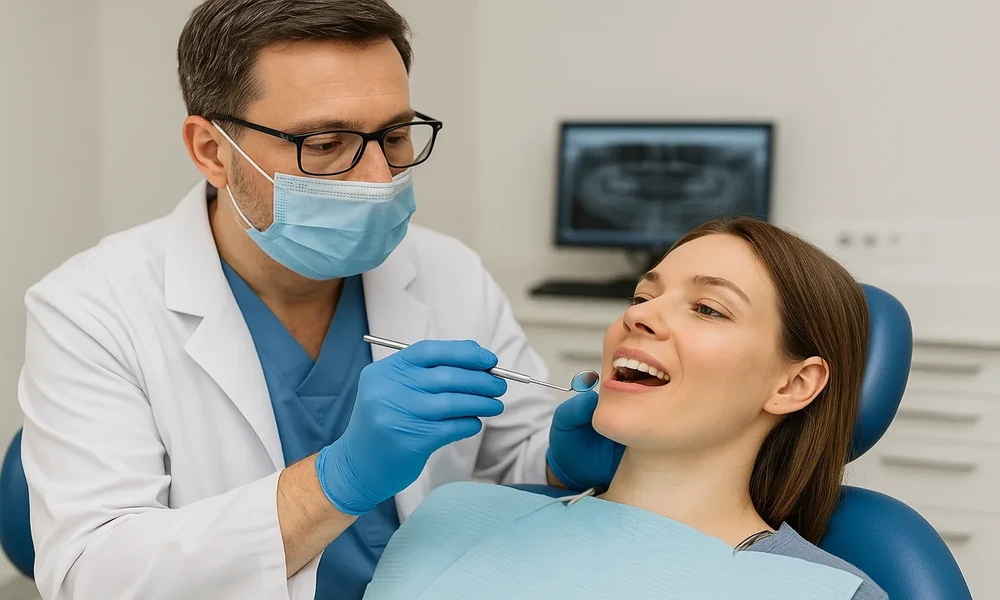
Finding a reliable dentist is one of those decisions that quietly affects your whole life – your comfort, your confidence, and your long-term health. Yet many people put off choosing a dental practice until a toothache forces the issue. If you live in Sydney’s eastern suburbs and have been searching for a trustworthy dentist Bondi locals recommend, this guide will walk you through what actually matters when picking a dental clinic, and why preventive care should be at the top of your priority list.
Why Your Choice of Dentist Matters More Than You Think
Oral health is closely tied to overall wellbeing. Studies have repeatedly linked gum disease to conditions like heart disease and diabetes, which means regular dental visits aren’t just about a bright smile – they’re a genuine health investment. A good dentist does more than fix problems as they arise; they help you avoid problems altogether through early detection, education, and consistent monitoring.
When choosing a practice, here are the factors that genuinely make a difference:
- Experience and qualifications – Look for a clinic where the dentists have years of hands-on experience across a range of treatments, from routine checkups to more complex restorative work. Experienced practitioners are better equipped to spot early warning signs that might otherwise be missed, and they tend to have refined, gentler techniques that make visits more comfortable.
- Range of services offered – Your dental needs change throughout life. A child might need preventive sealants and gentle guidance, while an adult might be exploring cosmetic options or restorative treatments. Choosing a practice that offers a full spectrum of services – general dentistry, cosmetic treatments, orthodontics, and restorative procedures – means you won’t need to bounce between different providers as your needs evolve.
- Comfort and environment – Dental anxiety is real, and it keeps a surprising number of people away from the care they need. Practices that pay attention to the patient experience – calming environments, clear communication, and a genuinely welcoming team – tend to see patients return for regular checkups rather than avoiding the dentist until there’s an emergency.
- Technology and modern techniques – Dentistry has evolved significantly over the past decade. Digital imaging, minimally invasive procedures, and modern materials all contribute to faster, more comfortable, and longer-lasting results. A clinic that invests in current technology is generally one that takes treatment outcomes seriously.
Common Dental Concerns and How They’re Treated
Missing Teeth and Restoration Options
One of the most significant developments in modern dentistry has been the rise of dental implants as a long-term solution for missing teeth. Unlike traditional bridges or removable dentures, implants function as an artificial tooth root, integrating with the jawbone to provide a stable, natural-feeling replacement.
The benefits of implants extend well beyond appearance:
- Preserve nearby teeth – because implants don’t rely on adjacent teeth for support, they help maintain the health and structure of your natural teeth.
- Maintain bone density – implants help prevent the sunken facial appearance that can develop in the jaw after long-term tooth loss.
- Built to last – with the same simple care routine as natural teeth (brushing, flossing, and regular checkups), a well-placed implant can last a lifetime.
- Natural feel and function – implants integrate with the jawbone, so they look, feel, and function much like a real tooth.
If you’re missing one tooth or several, it’s worth having a conversation with a dentist about whether implants, bridges, or dentures are the best fit for your situation. Every mouth is different, and the right option depends on bone health, the number of missing teeth, and your personal preferences.
Cosmetic Concerns
Not every dental visit is about pain or damage. Many people seek out cosmetic treatments like teeth whitening, veneers, or clear aligners simply to feel more confident in their smile. These treatments have become significantly more accessible and effective in recent years, with options that fit a range of budgets and timelines.
Children’s Dental Health
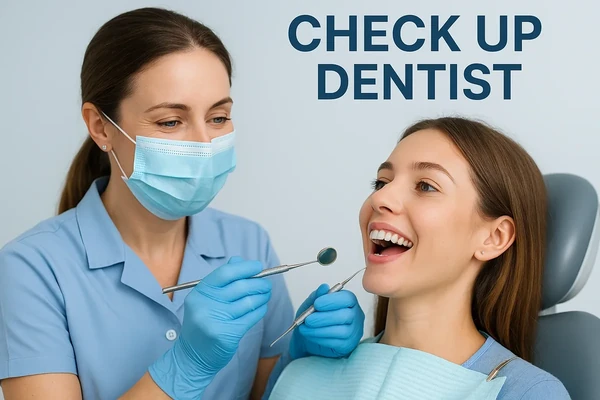
Establishing good habits early makes a lasting difference. Children who have positive early experiences at the dentist are far more likely to maintain consistent oral care habits as adults. Look for a practice with staff who are patient, friendly, and experienced in working with younger patients – it makes a noticeable difference in how kids feel about dental visits long-term.
Building a Long-Term Relationship With Your Dentist
Perhaps the most overlooked aspect of dental care is continuity. Seeing the same dentist over time means they build a detailed understanding of your oral history, which makes it easier to catch subtle changes early. This kind of long-term relationship also tends to make visits more comfortable, since there’s an established sense of trust between patient and provider.
If you’re currently searching for a new dental home, take the time to visit a few practices, ask about their approach to preventive care, and pay attention to how comfortable you feel in the environment. The right fit will make it far easier to stay consistent with checkups – and consistency is really the foundation of good oral health.
Frequently Asked Questions
How often should I visit the dentist? Most dentists recommend a checkup and clean every six months, though some patients with specific concerns – such as gum disease or orthodontic treatment – may need more frequent visits. Your dentist will tailor a schedule based on your individual oral health history.
Are dental implants painful? The implant placement procedure is typically done under local anaesthetic, so patients generally report only mild discomfort afterward, similar to a tooth extraction. Most people return to normal activities within a day or two, with full integration of the implant taking a few months.
What’s the difference between a dental implant and a bridge? A bridge relies on the neighbouring teeth for support, while an implant stands independently and is anchored directly into the jawbone. This means implants don’t require any alteration to healthy adjacent teeth, which is one of the main reasons they’ve become the preferred long-term solution for many patients.
Can children see the same dentist as adults? Many family-oriented practices are equipped to treat patients of all ages, from toddlers having their first checkup to adults undergoing more complex treatment. This makes it easier to coordinate appointments for the whole family and ensures continuity of care as children grow.
Final Thoughts
Choosing the right dental practice is a decision worth taking seriously. Whether you’re due for a routine checkup, considering dental implants to restore a missing tooth, or simply looking for a long-term dental home for your family, prioritise a practice that combines experience, a broad range of services, and a genuinely comfortable patient experience.
Taking that first step – booking a consultation and asking questions – is often the hardest part. Once you find a clinic that fits your needs, maintaining a healthy, confident smile becomes a lot easier.
