

Key Takeaways
The brain’s ability to reorganize itself through new neural connections is known as neuroplasticity. It allows for adaptation in response to injury, learning, and environmental changes at any age.
This remarkable phenomenon significantly contributes to recovery from neurological injuries, paving the way for genuine healing and functional restoration, rather than just compensation.
Real-life success stories reveal the transformative power of neuroplastic principles in rehabilitation, enabling patients to regain lost skills and improve their overall quality of life.
Rehabilitation methods grounded in neuroplasticity, including task-oriented training and mirror therapy, are increasingly being incorporated to foster key structural and functional brain changes.
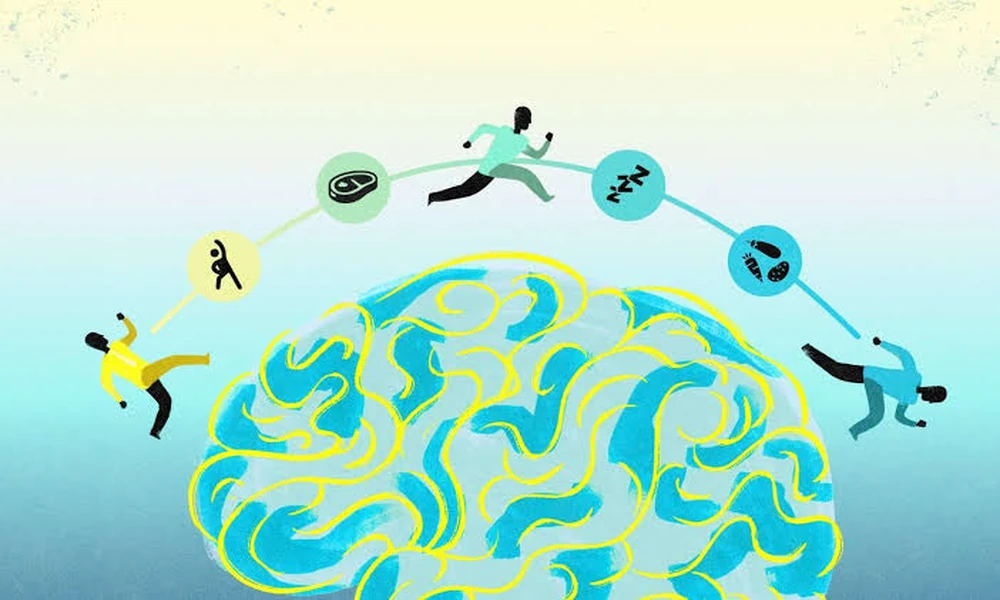
Engaging in challenging activities, practicing mindfulness, and participating in physical exercises can nurture neuroplasticity, promoting growth in the brain.
Looking ahead, research into neuroplasticity holds the promise of integrating technology and emotional support within therapeutic approaches, potentially revolutionizing recovery processes across various fields.
The Science Behind Neuroplasticity: How Does the Brain Adapt?
Defining Neuroplasticity: Mechanisms and Functionality
Neuroplasticity is the brain’s extraordinary capacity to continuously reorganize by forming new neural connections. This ability enables the brain to adapt to various challenges like injury, learning, and environmental shifts-proving it is ever-evolving. Grasping neuroplasticity means understanding its core mechanisms: synaptic plasticity, where the strength of neuron connections can vary, and structural plasticity, which involves the generation of new neurons and pathways. When neural circuits are disrupted due to trauma or diseases, the brain’s dynamic response can kick in.
The implications are truly significant. Experts in neuroscience underline that neuroplasticity plays a vital role in recovery from neurological injuries such as strokes, brain damage, or developmental disorders. It’s about more than temporary fixes; it’s focused on real recovery and functional restoration.
Key Studies That Reshape Our Understanding of Brain Adaptation
Research has shed light on what is neuroplasticity? and how this remarkable ability operates throughout life. One pivotal investigation by Taub and colleagues in the late 20th century revealed that constraint-induced movement therapy could enhance recovery in stroke patients, helping affected limbs regain function. These strategies harness the brain’s natural ability to reorganize and form new neural connections, demonstrating how targeted interventions can help individuals recover lost abilities.
“The brain is inherently plastic. If used correctly, its capacity to change can work wonders.”
Additionally, a vital study by researchers at the University of California, Los Angeles highlighted how musicians display increased gray matter density in regions linked to motor and auditory processing. This research supports the notion that engaging in complex tasks can significantly enhance cognitive flexibility and adaptability through neuroplastic mechanisms.
- The brain’s adaptability isn’t just limited to early stages of life; it continues throughout the lifespan.
- Interventions can trigger noteworthy structural and functional changes in the brain.
- High levels of engagement and practice contribute to deeper neuroplastic changes.
Neuroplasticity in Action: Real-Life Success Stories
From Injury to Recovery: Powerful Case Studies
Take, for instance, a young athlete who experienced a traumatic brain injury. At first, she was unable to speak or walk; standard rehabilitation methods seemed inadequate. By applying neuroplasticity principles in her therapy, therapists incorporated repetitive tasks and movement exercises designed to activate her brain’s adaptive response. Gradually, she regained her abilities, demonstrating not only recovery but also remarkable resilience.
Another noteworthy example involves an elderly man who suffered a stroke, resulting in limited mobility on one side of his body. Therapists integrated techniques based on neuroplasticity, utilizing constraint-induced movement therapy combined with electrical stimulation to stimulate motor functions. The outcomes were impressive. He regained independence that seemed like a distant dream just months earlier.
Patient Experiences: How Neuroplasticity Changes Lives
Patients frequently express astonishment at the transformations brought about by neuroplastic approaches. Many feel immense gratitude for therapies that restore their lost skills. In simple terms, these methods don’t just mend the body; they rebuild lives, often sparking renewed hope and purpose.
- Improved ability to communicate or understand language post-therapy.
- Enhanced mobility and coordination through specialized rehab techniques.
- Heightened cognitive functions, revealing a remarkable capacity for learning.
Practical Applications: Enhancing Healing Through Neuroplasticity
Rehabilitation Techniques That Use Brain Plasticity
Rehabilitation professionals are increasingly embracing neuroplastic principles in their techniques. They emphasize intensive practice and specific task-oriented strategies that leverage the brain’s adaptability. For instance, mirror therapy, which uses the movement of the unaffected limb as a reflection to create an illusion of movement in the affected one, has gained popularity in clinical scenarios.
The goal is straightforward: processing sensations and actions promotes the regeneration of neural pathways. These methodologies, centered on neuroplasticity, often lead to remarkable outcomes, turning rehabilitation into a structured yet adaptable journey that resonates with each patient’s unique experience.
- Task-oriented training aimed at enhancing specific skills.
- Dual-task training to foster cognitive and motor skills simultaneously.
- Utilization of virtual reality environments to immerse patients in therapy.
Activities and Exercises to Promote Neuroplastic Changes
So, how can individuals encourage neuroplasticity in their daily lives? Taking on challenging tasks is essential. Whether it involves learning a new language, mastering an instrument, or engaging in physically demanding activities, variety and complexity are crucial for stimulating brain growth.
Healthcare practitioners often advocate for tasks that stretch cognitive limits alongside physical challenges. Regular mindfulness and meditation practices can significantly boost neuroplastic capabilities. Incorporating mobility exercises like yoga or tai chi helps intertwine mental and physical elements into an effective practice.
- Acquiring new skills: be it crafts, languages, or musical instruments.
- Engaging in regular physical activities tailored to each individual’s capabilities.
- Practicing meditation and mindfulness to enhance cognitive flexibility.
Future Directions: What Lies Ahead for Neuroplasticity Research?
Emerging Trends in Neuroplasticity and Healing
As studies in neuroplasticity evolve, they unveil fascinating trends. Researchers are delving into the intersection of technology and therapy, utilizing neurofeedback devices and app-based training to assist those recovering from brain injuries. These innovations can track real-time progress, offering invaluable insights to tailor individual rehabilitation experiences.
Moreover, there’s a growing recognition of how emotional resilience facilitates neuroplastic healing. By integrating emotional support systems into traditional therapy, recovery outcomes can be greatly enhanced, providing a more holistic treatment approach.
“The future of neuroplasticity will redefine how recovery is approached, from the individual to the community.”
Potential Breakthroughs: Where Can Neuroplasticity Take Us?
The prospects for neuroplastic research are exciting. Future therapies could not only repair damaged areas of the brain but also actively enhance cognitive functions beyond their original capabilities. Current investigations propose how environmental factors, lifestyle adjustments, and neuroplastic techniques might work synergistically to transform healthcare models profoundly.
Cross-disciplinary collaborations-spanning neuroscience, psychology, and artificial intelligence-signal an exhilarating chapter in discovery. Innovations that weave neuroplastic principles into everyday technology promise dramatic advancements. Treatment could expand well beyond traditional methods, encouraging users toward continuous learning and adaptability.
- A heightened focus on emotional and psychological recovery alongside physical rehabilitation.
- Technological innovations tailored to meet individual therapy needs.
- Collaborative research across multiple disciplines facilitating comprehensive recovery solutions.
FAQ
What types of professionals utilize neuroplasticity principles in their work?
A variety of practitioners, including physical therapists, occupational therapists, and rehabilitation specialists, apply neuroplasticity principles. They create customized interventions designed to promote brain adaptability, concentrating on techniques that support recovery from neurological injuries.
How can neuroplasticity be applied outside of rehabilitation settings?
Beyond rehabilitation, neuroplasticity can find application in educational environments and personal growth. Engaging in activities like learning new languages, practicing musical instruments, or participating in complex games stimulates cognitive flexibility and fosters brain development, benefiting those devoted to lifelong learning.
What role does mindfulness play in promoting neuroplasticity?
Mindfulness practices have a significant impact on nurturing neuroplasticity. Regular meditation not only fosters cognitive flexibility but also bolsters emotional resilience, cultivating an optimal atmosphere for the brain to adapt and reorganize its connections.
Are there age-related differences in how neuroplasticity operates?
Neuroplasticity is a lifelong process; however, its effectiveness can vary with age. Younger individuals typically experience more rapid adaptations, while older adults can also achieve meaningful changes through targeted interventions, showcasing the brain’s ongoing ability to reorganize.
How is technology influencing the study and application of neuroplasticity?
Technology has a transformative effect on neuroplasticity research and its practical applications through tools like neurofeedback devices and app-based tracking. These advancements deliver real-time data, enabling therapists to adjust rehabilitation strategies to enhance patient outcomes.
Can neuroplasticity interventions assist with mental health issues?
Indeed, neuroplasticity interventions show promise in addressing mental health challenges. Techniques based on neuroplasticity can reshape negative thought patterns, build emotional resilience, and offer coping mechanisms for conditions such as anxiety and depression.
What are some specific activities or exercises that promote neuroplasticity?
Challenging activities that encourage neuroplasticity encompass learning new skills-like crafts or musical instruments-engaging in dual-task training, and committing to regular physical exercises. Each of these pushes cognitive and physical boundaries, fostering brain development.
What is the potential of neuroplasticity in future healthcare approaches?
The future of neuroplasticity within healthcare is promising. Research indicates that integrative therapies, combining physical, emotional, and technological interventions, will reshape recovery models, emphasizing a more comprehensive approach to healing and cognitive enhancement.
