

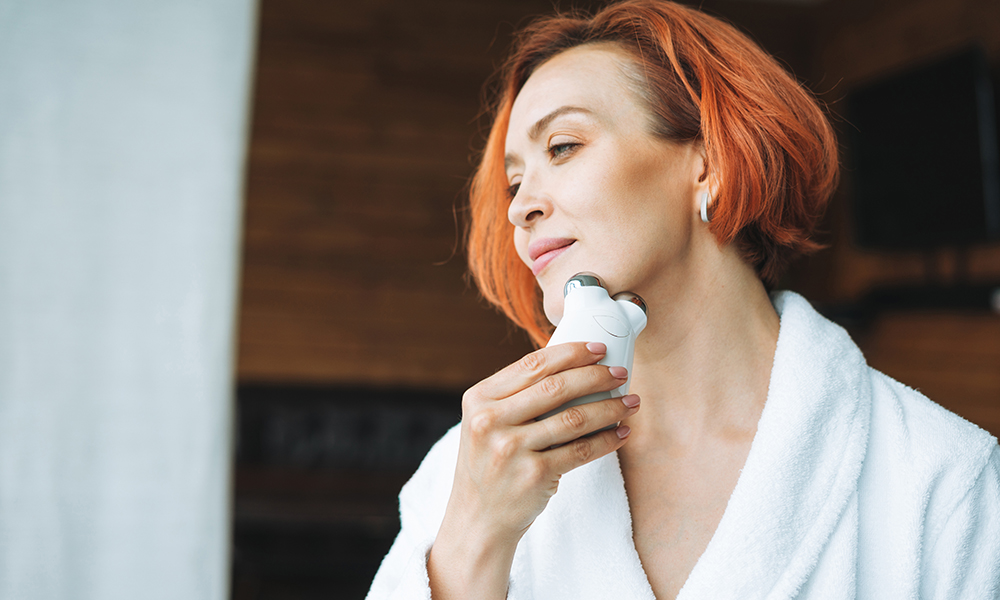
I remember the first time I noticed my face changing. It wasn’t dramatic. No deep wrinkles. No sudden sagging. Just softness. My jawline didn’t look as sharp in photos. The skin under my chin looked slightly heavier in certain lighting. And somehow, my face just looked more tired even when I wasn’t. If you’re reading this, maybe you’ve had a similar moment.
That’s usually when people start searching for treatments like Thermage, 超聲刀 Ultherapy Prime, or sometimes the name Uthera, and suddenly you’re overwhelmed with technical explanations about collagen and energy devices. So let’s slow it down and talk about this like real people.
Why Your Face Starts to Feel “Less Firm”
Aging isn’t just about wrinkles. In fact, most people don’t panic over fine lines. It’s the loss of structure that changes everything.
As we get older, collagen production drops. Collagen is basically the support system that keeps skin tight and bouncy. When it decreases, skin doesn’t just wrinkle it loosens.
But there’s something deeper happening too.
Under your skin is a structural layer called SMAS. It’s the same layer surgeons tighten during a facelift. When this layer weakens, gravity becomes more obvious. The lower face starts to shift downward. The jawline blurs. The neck softens.
And no cream no matter how expensive can reach that deep. That’s where treatments like Thermage and Ultherapy come in.
What Thermage Actually Feels Like (And Does)
Let’s start with Thermage. Thermage uses radiofrequency energy to heat the deeper layers of your skin. The heat causes existing collagen fibers to contract and encourages your body to produce new collagen over time.
In simple terms? It tightens and strengthens your skin from within. But here’s what I like about Thermage it’s subtle.
You won’t walk out looking “done.” There’s no dramatic change overnight. Instead, over the next few months, your skin gradually feels firmer. The jawline becomes slightly sharper. The cheeks look a bit more lifted.
It’s often chosen by people who say:
- “I don’t want fillers.”
- “I don’t want surgery.”
- “I just want to look tighter.”
Thermage works best for mild to moderate skin laxity. If your skin is starting to loosen but hasn’t significantly dropped, it can be a very good option.
Now Let’s Talk About 超聲刀 Ultherapy Prime
超聲刀 Ultherapy Prime is different and this is important. While Thermage focuses more on the skin layer itself, Ultherapy (also known as Uthera technology) uses focused ultrasound energy to go deeper.
It targets the SMAS layer the same structural layer involved in surgical facelifts. That’s why Ultherapy is often described as a “non-surgical lift.” It doesn’t just tighten skin. It works on the deeper support structure.
If your main concern is:
- Sagging around the jawline
- A heavier lower face
- Drooping under the chin
- A loosening neck
- Ultherapy Prime might make more sense.
Because it reaches deeper, the lifting effect can feel more structural compared to the surface tightening of Thermage.
Is One Better Than the Other?
This is where people get confused.
- It’s not about which one is stronger.
- It’s about what your face needs.
- If your issue is mostly skin looseness texture and mild sagging Thermage might be enough.
If you’re noticing that your lower face is actually shifting downward, 超聲刀 Ultherapy Prime may address that deeper concern.
Some people even combine both treatments Ultherapy for structural lift, Thermage for skin tightening and refinement. But that depends on age, skin thickness, and how advanced the laxity is.
Let’s Be Honest About the Sensation
Most clinics won’t describe this properly, so I will. Thermage feels like waves of heat with cooling bursts. It’s warm, sometimes intense for a few seconds, but tolerable for most people.
Ultherapy Prime can feel sharper. Because the energy goes deeper, you may feel brief pulses that are stronger in certain areas. Neither is exactly a spa facial. But neither is unbearable either.
And the upside? There’s usually little to no downtime. Some redness or slight swelling, maybe mild tenderness but you can typically return to work or social activities quickly.
When Will You Actually See Results?
This is important: neither treatment gives instant dramatic lifting. Both rely on your body producing new collagen. That takes time. You might notice slight tightening early on, but the real changes usually develop over 2 to 6 months.
And honestly, that’s part of why people like these treatments. The improvement is gradual. No one suddenly asks, “What did you do?” They just say, “You look good lately.”
Who Should Consider These Treatments?
Thermage and 超聲刀 Ultherapy Prime are ideal if you:
- Are in your 30s to 50s
- Have mild to moderate sagging
- Don’t want surgery
- Prefer natural-looking improvement
- Want preventative maintenance
They are not a replacement for a surgical facelift if skin is severely loose. But for early aging signs, they can be very effective.
A lot of people now use them as maintenance treatments not because they look old, but because they want to slow the progression.
Final Thoughts
Aging isn’t something we can stop. But we can manage how we age. Thermage focuses on tightening and strengthening the skin itself.
超聲刀 Ultherapy Prime, powered by Uthera technology, works deeper to lift and support structural layers. They’re different tools designed for different needs.
The best choice isn’t about which treatment is more popular. It’s about what your skin actually requires right now. And sometimes, a small lift done at the right time makes all the difference.
